How Copy Editors Adjust Their Work to Different Genres
Every book on the market today has been through the copy editing process. Even the best writers need a second set of eyes (or more) to make their work reach its potential. No draft will be perfect; even after publication, authors may find changes they wish they could make. From minor to structural changes, copy editing is an integral part of the writing process.
During the editing process, there are two broad types of editing. General editing looks at the bigger picture of the work. The changes suggested by these editors are often structural or otherwise about the content of writing.
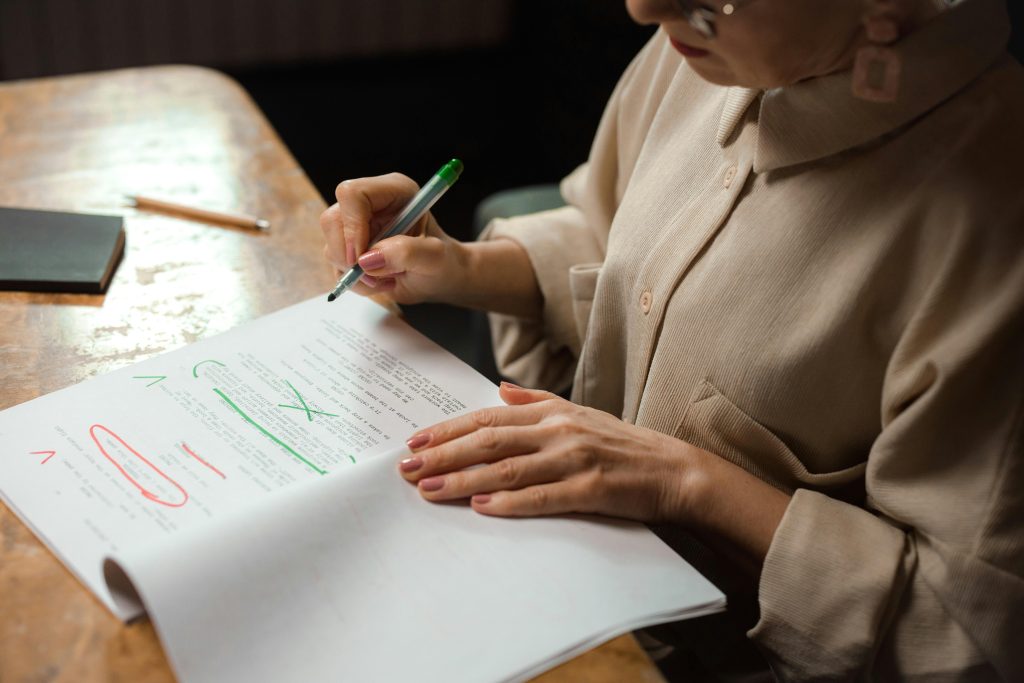
Copy editors, on the other hand, are more focused on the technicalities of the writing. Instead of looking at what the text says, copy editors look at how it says it. The work of a copy editor is supposed to go unnoticed. Readers are more likely to notice bad writing with typos, errors, and other mistakes. These editors have to be thorough and apply rules consistently, otherwise the book will come across as sloppy.
Even deeper within the role of a copy editor, there are more specific components depending on genre. Copy editing fiction and non-fiction books are the same at a base level, but there are some differences. These divergences are small but notable and can make a substantial difference in the quality of the edit.
Copy editors work with authors to create the best version of the book possible. When breaking down the copy editor’s role between genres, there are certain factors a copy editor will consider.
The Book’s Tone and Themes
A book’s genre dictates everything about it. From the tone, themes, and beyond, a book’s genre guides the audience, marketing, and even how it is edited. A copy editor’s work directly contributes to a book’s success, whether fiction or non-fiction.
Non-fiction books are, by definition, true stories or otherwise factual texts. These are often written to inform, educate, or motivate readers on the given subject. There are always exceptions, since books can be genre-bending, but these books are often more serious. As such, a copy editor should be cognizant of the intended tone of the piece. More important or serious works should be edited with respect to the material at hand.
Fiction books can cover any subject imaginable. From romance to fantasy to teenage coming of age and beyond, there are fiction books for everything. As such, a copy editor should always be considerant of the genre and its intended audience. They should always work to make the text as tonally and thematically coherent as possible. These books are usually written to entertain the audience, and nothing should get in the way of that.
The Story’s Characters and Dialogue
Another significant distinction between fiction and non-fiction books are the characters. Non-fiction books feature characters like a fiction book, but these “characters” are often real people. A character is just a person or entity in a text, regardless of genre.
Copy editors working on a non-fiction text should always remain aware of these characters’ roles in the story. Since they are often real people, copy editors have less leeway with suggesting significant edits. For example, if a book is directly quoting somebody, there is not much room to change that. A copy editor in this case should make sure the material, as the author presents it, is presented without error.
Fiction books, however, have characters who are crafted in the writing process. This includes the editing process. While copy editors are not responsible for changing thematic elements of the story, they can support the process. Unless the author has specified otherwise, copy editors can clean up dialogue and interactions for clarity and readability. This is not meant to change the meaning of the text, just reinforce it.
Fiction and Non-Fiction Overlap
At the end of the day, all books are copy edited under similar standards across the industry. Whether you write a fiction or non-fiction book (or a combination or something that defies genre), editing works the same.
The basics of copy editing do not change much. Grammar, punctuation, capitalization, format, etc. are always thoroughly reviewed for publication. There are times when an author deliberately, stylistically deviates from proper grammar, and that is fine. The copy editor just needs to be informed of intentional choices. As long as the work is consistent throughout, the copy editor did their job. This consistency leads to readability and greater reader satisfaction. If a reader cannot read your work easily, they will get lost and not recommend it to others.
When you work with Cloverly Christian to publish your book, we have a team of copy editors ready to go. Our book editing services ensure that your book meets the highest publication standards to create a final product that you can be proud of for years to come. Using the Chicago Manual of Style, our professional copy editors thoroughly review every word of your book. No artificial intelligence is used to edit your book.