Crafting the Visual Identity of Your Book
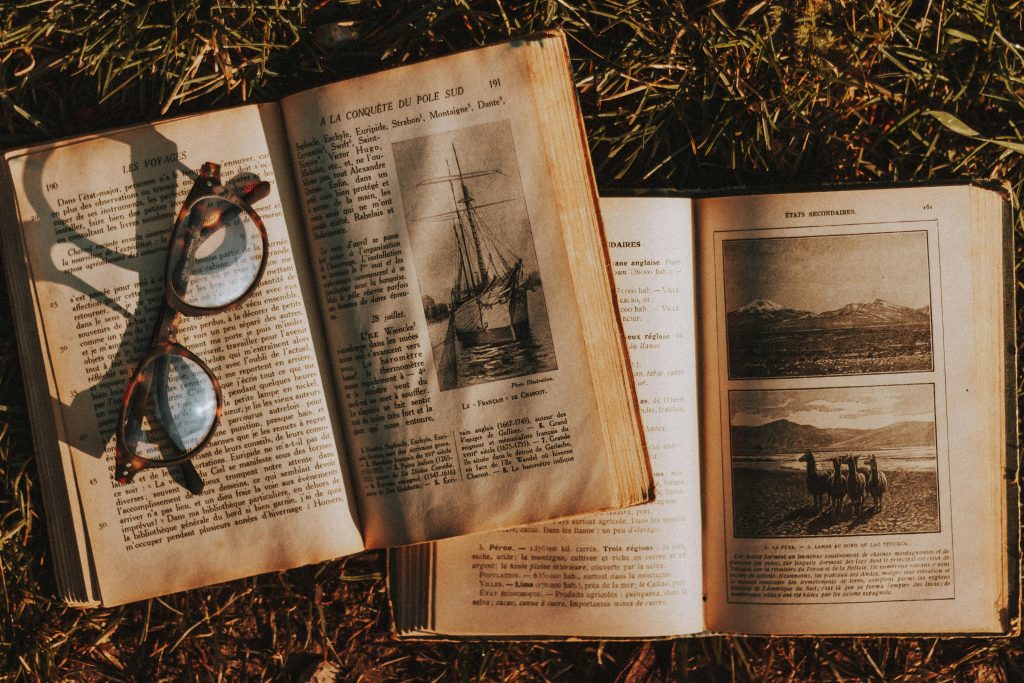
No matter what kind of book you are writing, your words do not exist alone. Your book is ultimately a combination of the words and the visuals. The balance of these two elements depends on the book; that is where your artistic intuition comes into play. You might be surprised how you incorporate visuals in your book during the publishing process.
You control the entire appearance of your book, including the visuals. Some books have a clear direction for the visuals, while others might be more ambiguous. As an author, you are the creative force that decides what to include in your book. This article will help you craft the visual identity of your book to help it stand out.
Your Book’s Cover
Your book’s first exposure to the general public will be its cover, both online and in stores. As such, people will end up judging your book by the cover. Some of the most famous books of all time are known by their equally memorable covers. That is what compels them to look deeper into your book. You can never take their first impressions back, so make sure you are proud of your cover.
There are some common elements of book covers: title, author, and at least one design element. That is not a hard and fast rule. You can add more information, but you probably will not want less than these basics. The specific way these elements are incorporated is up to you. For example, you can feature a real picture or a hand-drawn illustration.
The back cover of your book is also a visual component of your book to consider. This part of your book is even more up to your discretion. Often, this will be where your book’s blurb is, but you can design it as you please.
Your creative instincts will guide the process of creating your book’s cover. Our team at Cloverly Christian will work with you to create the perfect cover for your book. You will lead the charge in designing your book cover to match your imagination.
Picture and Photo Books
If you are publishing a photo-based book, your visuals will be the most prominent part of your book. Where text-based books use visuals to supplement the story, these books use visuals to tell the story. These books can still include a mixture of text and images, but the images are the driving force. Your vision guides your book’s visuals.
Children’s picture books are the most common types of fully-illustrated books. While there is no one formula for this, these will often feature full-page illustrations with relatively shorter text. Together, the images and text tell the story. These illustrations are designed to engage readers of all ages. At Cloverly Christian, we have a team of world-class illustrators who will draw your illustrations by hand. We will never use artificial intelligence to illustrate your book — each image will have a distinctly human touch.
Other visual-heavy books include photography books. You will likely come into the publishing process with your photos already. It is up to your discretion whether to include text with the photos. You will guide the order of the picture, where any text goes, and each page’s layout.
Pops of Images
Not every book needs full illustrations. It can pack a stronger punch to only use limited illustrations or images in your book. For example, each of your chapters could feature a small illustration at the beginning. This could set the mood of the chapter and add visual flair. Another example could be including a section of real-life photographs. This is common in memoirs or biographies to show the real-life subjects. This allows the reader to put faces to the names.
Some types of books are benefited by book-specific images that guide the story being told. One example is a map of a given area at the beginning of a book. This is especially helpful when characters are going to multiple locations in a fantastical location. You could also include a family tree if writing about specific or complicated families. Readers can refer to these as needed to immerse them in the book.
When using limited visuals, you can decide whether they are subtle and atmospheric or loud and showy. That will likely be decided by the book’s genre, tone, and format. There is no wrong way to include images as long as you use your artistic instincts.