The Power of Historical Literature on Independence Day
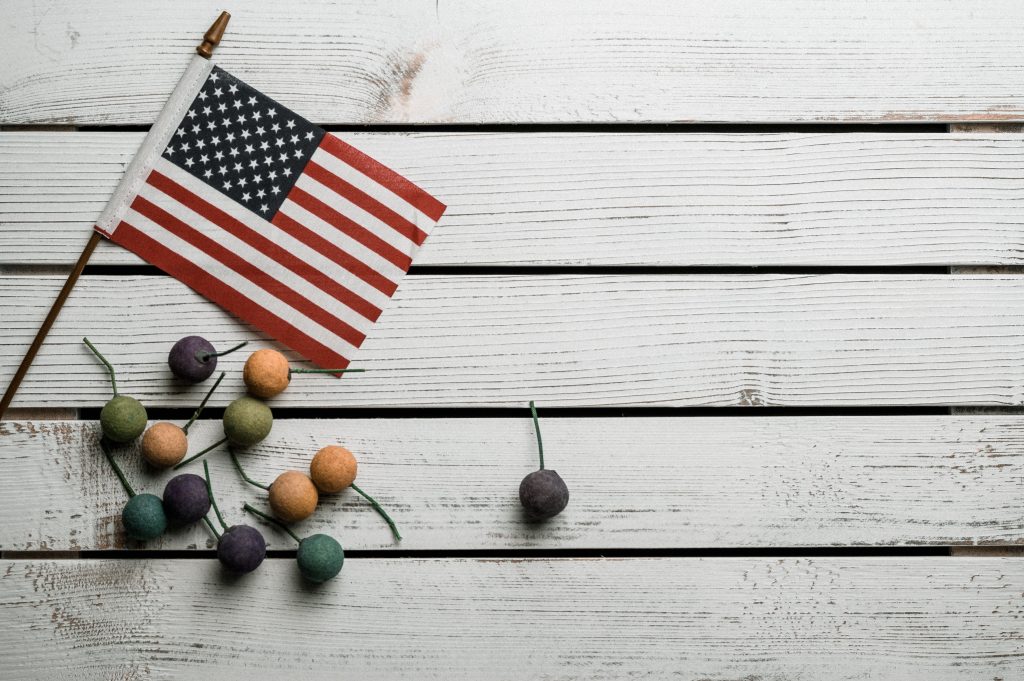
Coming in the heat of summer on the Fourth of July, Independence Day is a time for nation-wide celebration. On this day 250 years ago, the Founding Fathers declared their independence from Great Britain and King George III.
This fight for independence started when Europeans founded their first colonies in the “New World.” Great Britain and its monarchy became the major controlling force of these colonies, but they denied them their rights. On July 4, 1776, the American colonies approved the Declaration of Independence, formally “declaring” their freedom. The fight for independence led to the American Revolutionary War — ultimately, the colonies were successful, defeating the King’s military.
Ever since then, Americans have spent the Fourth of July celebrating American independence and identity. Everyone celebrates the United States past in different ways. Some people spend the day barbecuing or at the beach. Others use this as an opportunity for public service and giving back to the community. This year, for the nation’s 250th anniversary, Independence Day holds special significance.
Literature is a powerful tool for a lot of reasons, but especially for understanding this nation’s history. On Independence Day, use literature to fully connect with core American ideals. This article will explore the role of literature in Fourth of July celebrations.
Celebrate the Fourth by Reading and Writing
A lot has happened in this country in 250 years, and much of that history is available in books. Books are a powerful source for good in the world. Reading and writing have the potential to unlock people’s minds and creativity like nothing else. This includes studying and understanding American history and this country’s founding ideals.
There are two primary categories of books one might read to celebrate American Independence: fiction and non-fiction. Both have unique ways to unlock curiosity and interest in America’s past.
Historical Fiction
When it comes to reading fictional books based in history, that is called historical fiction. Through this branch of literature, history and fiction combine to create a story that is both informative and entertaining. These books tell fictional stories set in real-life historical events or eras. Reading historical fiction keeps readers engaged in history by showcasing it through a fictional lens.
Even though these books are fictional, they still require research and a basis in reality to write. An example of historical fiction involves fictional people witnessing or participating in real notable events. Or, it can be about real-life historical figures involved in fictional scenarios or situations. With historical fiction, your imagination can run wild and immerse the reader in a given era of history.
Non-Fiction
If fiction is not your forte, you can read or write a non-fiction book about history. With non-fiction books, authors will share the story of a real person, place, or event as it actually happened. There is room for commentary and analysis, but the facts must be accurate. Just because these books are non-fiction, you can still express your creativity as an author.
Non-fiction historical works require immense research and attention to detail. As an author, your book, no matter the genre, should be engaging to read and capture readers’ attention. Before starting the writing process, make sure you understand the underlying history and plot of your story. You can ensure this through outlining, storyboarding, consulting with experts, or brainstorming sessions.
Share the Power of Literature This Independence Day
Literature comes in all shapes and forms — there is truly something for everybody. Young readers can enjoy picture books that teach them about America’s grand history. History buffs can dive headfirst into a historical tome. Those in between will find something in American history that catches their attention.
This Fourth of July, encourage the people in your life to learn more about American Independence through literature. You can lend them books, suggest areas of interest, recommend an author, or tell them about a recent read.
On America’s 250th birthday, it is especially important to express your appreciation of this country. As an author or reader, you should always share your love of literature with others, especially to understand America’s legacy.