
Your Book’s Unique Visuals
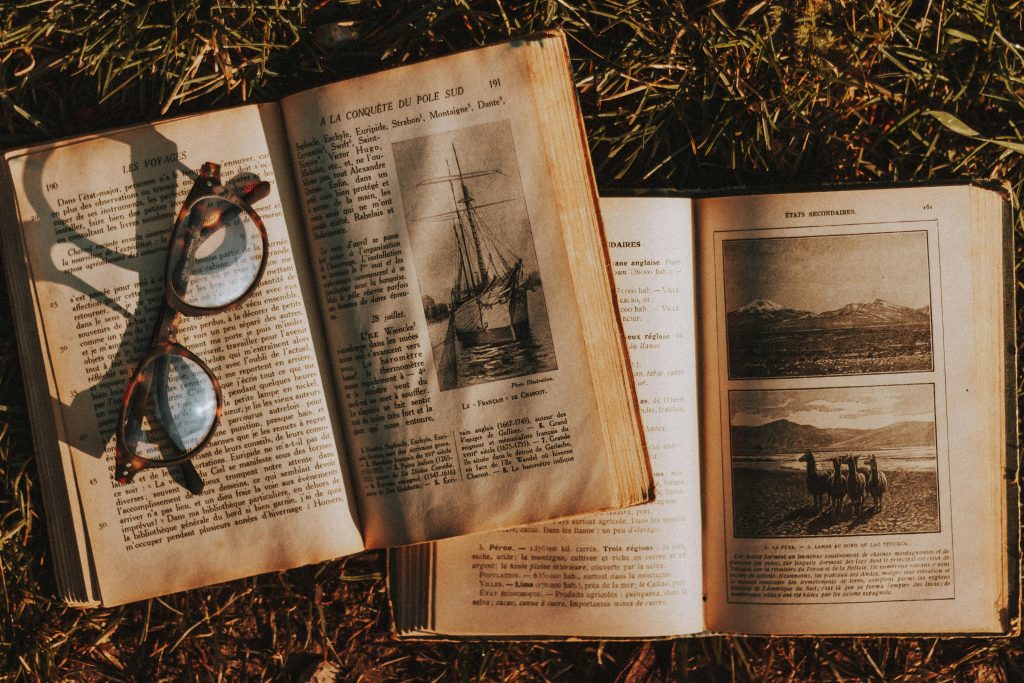
Crafting the Visual Identity of Your Book
No matter what kind of book you are writing, your words do not exist alone. Your book is ultimately a combination of the words and the visuals. The balance of these two elements depends on the book; that is where your artistic intuition comes into play. You might be surprised how you incorporate visuals in your book during the publishing process.
You control the entire appearance of your book, including the visuals. Some books have a clear direction for the visuals, while others might be more ambiguous. As an author, you are the creative force that decides what to include in your book. This article will help you craft the visual identity of your book to help it stand out.
Your Book’s Cover
Your book’s first exposure to the general public will be its cover, both online and in stores. As such, people will end up judging your book by the cover. Some of the most famous books of all time are known by their equally memorable covers. That is what compels them to look deeper into your book. You can never take their first impressions back, so make sure you are proud of your cover.
There are some common elements of book covers: title, author, and at least one design element. That is not a hard and fast rule. You can add more information, but you probably will not want less than these basics. The specific way these elements are incorporated is up to you. For example, you can feature a real picture or a hand-drawn illustration.
The back cover of your book is also a visual component of your book to consider. This part of your book is even more up to your discretion. Often, this will be where your book’s blurb is, but you can design it as you please.
Your creative instincts will guide the process of creating your book’s cover. Our team at Cloverly Christian will work with you to create the perfect cover for your book. You will lead the charge in designing your book cover to match your imagination.
Picture and Photo Books
If you are publishing a photo-based book, your visuals will be the most prominent part of your book. Where text-based books use visuals to supplement the story, these books use visuals to tell the story. These books can still include a mixture of text and images, but the images are the driving force. Your vision guides your book’s visuals.
Children’s picture books are the most common types of fully-illustrated books. While there is no one formula for this, these will often feature full-page illustrations with relatively shorter text. Together, the images and text tell the story. These illustrations are designed to engage readers of all ages. At Cloverly Christian, we have a team of world-class illustrators who will draw your illustrations by hand. We will never use artificial intelligence to illustrate your book — each image will have a distinctly human touch.
Other visual-heavy books include photography books. You will likely come into the publishing process with your photos already. It is up to your discretion whether to include text with the photos. You will guide the order of the picture, where any text goes, and each page’s layout.
Pops of Images
Not every book needs full illustrations. It can pack a stronger punch to only use limited illustrations or images in your book. For example, each of your chapters could feature a small illustration at the beginning. This could set the mood of the chapter and add visual flair. Another example could be including a section of real-life photographs. This is common in memoirs or biographies to show the real-life subjects. This allows the reader to put faces to the names.
Some types of books are benefited by book-specific images that guide the story being told. One example is a map of a given area at the beginning of a book. This is especially helpful when characters are going to multiple locations in a fantastical location. You could also include a family tree if writing about specific or complicated families. Readers can refer to these as needed to immerse them in the book.
When using limited visuals, you can decide whether they are subtle and atmospheric or loud and showy. That will likely be decided by the book’s genre, tone, and format. There is no wrong way to include images as long as you use your artistic instincts.
The Best Mother’s Day Book
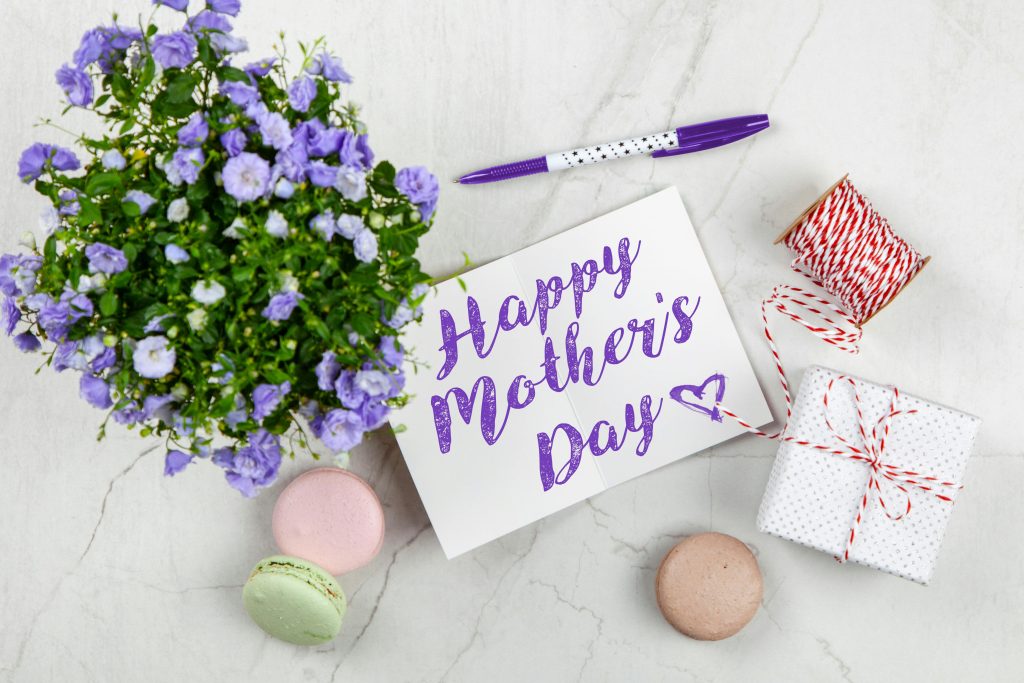
A Guide to Buying the Perfect Book for Mother’s Day
The second Sunday of every May is Mother’s Day, a holiday to celebrate the mothers in your life. This year, that is on May 10. While some countries celebrate Mother’s Day on different days, most follow the United States’s example. On this day, people around the world give gifts to the women in their lives to recognize their unrecognized work.
The roots of modern-day Mother’s Day extend more than one hundred years. The first Mother’s Day was celebrated at a mass in West Virginia on May 10, 1908. This service was advocated for by Anna Jarvis in honor of her mother, Ann Jarvis, whose church it was at. Ann was a proponent for connections between women, and her daughter continued her activism. The holiday grew in popularity in the next few years. In 1914, six years after this first service, President Woodrow Wilson made it a national holiday. In the 112 years since, maternal figures across the country have been recognized on the second Sunday in May.
Some of the most common gifts on Mother’s Day include flowers, gift cards, candles, spa treatments, and brunch. If your mother is a reader, you can buy her a book to add to her library. When looking for the perfect book, there are some factors to consider.
Genres She Loves
The first asset you might look for in a Mother’s Day gift is the book’s genre or a specific subgenre. You can easily weed out books that might not be your mother’s cup of tea. If you do not know what she likes, you can ask or think about some of her favorite books. That is not a guarantee she will like a book of a given genre, but it is a good sign. New bestsellers are a good place to start when shopping for a gift.
With that genre or subgenre in mind, you can go to your local bookstore and browse the shelves. Being able to feel and read the blurbs in person will give you a better sense of the book. You will probably find books you have never heard of; there are tons of new books published every day.
You can also go to specialized book stores to specifically tailor your search. For example, if your mother is faithful, you can go to a Christian bookstore. If you do this, you are more likely to find a suitable book for her. Your search can reach similarly tailored results if you look online for your book. Cloverly Christian has a catalog of new releases. This is a great place to find new faith-based books that can be perfect Mother Day’s gifts.
Authors She Loves
A similar, but different, factor to consider when searching for a book is the author. Your mother might have a favorite author; their new book is a perfect gift. That is a great option for authors who publish relatively frequently. Stay up to date on your mother’s favorite author’s new works. Include a gift receipt with your gift just in case she already has this new release.
If your mother’s favorite author does not publish often, you can find similar authors. People are rarely fans of just one author, so search for authors with a similar fan base. You have the chance to introduce your mother to a new favorite author!
Unexpected Choices for Her
Sometimes, an unexpected book can become a surprising favorite. Never feel confined to the parameters of genres or authors you know your mother likes. Feel free to take a chance with something new. If she does not like it, there is no harm — you just know for the future.
This can be a more creative book search that you use your lifelong relationship to form. You have known your mother for your entire life, so find a book she might not have expected. Going to your local bookstore is a great way to do this. Browse the shelves and different sections to find something that she might like. This can be in any genre or by a new author. Expanding her library can even allow her to connect with others who are fans of the same material.
While this is an open-ended search, you should keep some things in mind. A completely new kind of book might be better as a shorter book. If it is too long, that can be a deterrent or, if she does not like it, a slog. Start with manageable books at first, then go from there. Also, take care with the genre or content of the book. For example, it probably does not make sense to buy your mother a steamy romance or inaccessible science fiction.
Books Relevant to Her Life and Interests
Your mother’s life can be an inspiration for your gift hunting. You can buy her a book about any upcoming major life events or trips coming up. This can include a travel book about an upcoming vacation locale or a fiction book set there. Maybe you can give her a book about being a grandmother. Or, you can give her a faith-based book to further build her relationship with God.
The sky’s the limit when it comes to choosing a book to gift your mother for Mother’s Day. As long as you put thought into it, there are no wrong options. No matter what you give her, she will be grateful to be remembered on this special day.
What Makes a Good Setting?

The Importance of Building Your Book’s Setting to Entice Readers
Behind every great book is a distinctive setting that hooks readers into the world of the story. A book’s setting is the time period and physical place of where the story takes place. All genres of books use their settings to deepen the story being told, across fiction and non-fiction. Think of your favorite book; its setting probably played a part in making the story memorable.
It is immensely important to put care and consideration into your book’s setting. This starts from before you begin writing your first draft. You should start crafting your setting from the outlining step. Your readers will notice a difference in your writing when you spend time and care on the setting.
When building out the setting of your book, there are some factors to consider. You can use these tips to further engage your audience and create a stronger book.
Where Does Your Story Take Place?
One of the most important components of any book’s setting is the physical location of the story. You have to know where your story takes place to convey that information to the reader. Without any clue about the location, readers can become confused and be less engaged with the work. This guides the audience through the reading process, helping them visualize the story on the page.
When establishing your physical setting, plan before you start drafting. This will be crucial in directing your writing to fit into the intended space. You can include the location or locations of your story from the very first outline. This can always be changed later, but cementing your setting early sets you up for success.
After thinking of your setting, you can write to that space; your characters can then move within accurate parameters. It can even be helpful to draw a map of a given location, especially if you are juggling multiple locations. If the locations make sense, the story will flow nicely.
When Does Your Story Take Place?
Next comes the time your story takes place in. Instead of focusing on the physical location, this is the when of your story. Without specifying a specific time period, most readers will assume the story takes place in modern day. Often, that is a correct assumption. However, if your story takes place in the past or future, you have to make that known.
The temporal setting of your book is just as important as the physical setting. If a reader goes through your story not knowing when it is set, they will be confused. References can be overlooked, and plot points may be confusing. Further, if a book takes place over a long period of time, it is helpful to keep the reader informed. Your book should probably not jump around in time without having a clear sense of logic.
To accurately convey this information to the reader, you need to have a full understanding of it as the author. From the beginning of the outlining, you should make note of any significant time periods in your book. Ensure consistency throughout your writing process; for example, you do not want characters acting inconsistent with their time.
Taking Real-Life Inspiration
Not every book is going to come completely from your mind; they can be inspired by real people or events. When this is the case, you can take inspiration from real life. This can apply to historical dramas, generational sagas, non-fiction work, and beyond.
As with fully fictional settings, make sure you understand your setting before writing. Also make sure to convey any relevant information to the reader. When taking inspiration from real life, you can find any research you want online or in a library. Throughout writing, keep your setting as clear and accurate to real life as possible.
Using Your Own Life
Writing a book is often a very personal process, even more when you are writing based on your own life. Nobody knows your story better than you, and that will be conveyed on the page. You want your reader to understand the people, places, and time of your life. If you write based on what you have experienced, your writing will be stronger and more engaging.
If you are writing a devotional or other self-help guide, your faith can guide the entire process. These books are often heartfelt and inspired by true stories of overcoming life’s trials and tribulations. Accurately and fully capturing the settings of the stories you tell will allow the reader to understand your lived experience. Cloverly Christian will be there with you every step of the way to make your book true to your vision.
What Format Will My Book Be?

An Overview of the Formats in Which Your Book Will Be Sold
You know the content of your book inside and out. After spending months working on perfecting every aspect of it, your book is going to be released. When your book hits the market, it can be available in a variety of printing types and formats. Each format has its unique perks and uses, but all are ways to get your writing out to the world.
The most common formats in the modern publishing industry are paperback, hardcover, digital, and audio. These give consumers a wide range of ways to read your story and engage with their communities. This article will review the ways in which your readers can buy your book.
Paperback Books
The most common book format on the market today is paperback. These are traditional, softcover books. Paperbacks have front and back covers that are made of bendable paper. These non-stiff covers can be easily taken on the go for wherever readers are going.
In addition to being easy and accessible for travel, paperbacks are also cheaper to produce. Due to the cheaper production costs, paperback books are often less expensive than other types of books. Your audience will appreciate the accessibility that a lower purchase price allows.
There are two major types of paperbacks: trade and mass market.
Mass Market Paperbacks
Mass market paperbacks are typically smaller than others. They often measure 4 inches x 7 inches, making them easy to handle and bring on the go. Readers can even read mass market paperbacks with one hand.
The biggest perk of releasing mass market paperbacks is the cost. These are the cheapest print books to create because of their size. It is the most efficient way to get the same amount of words on the page. This appeals to extremely price-conscious readers.
One of the biggest drawbacks of mass market paperbacks is the tighter typeset on each page. This is to make the whole text fit on the smaller pages, but it can be harder to read. Another limitation is that not all books are published in mass market paperback. Certain pulp fiction genres are more likely to receive this accessible format, mainly romance, crime, horror, fantasy, and science fiction. It is an easy and cheap way to read pulpy stories without worrying about wear and tear.
Trade Paperbacks
The other primary type of paperback book is trade paperbacks. These are the most common type of book on the market and account for most sales. Most bookstores will likely be well stocked with these kinds of paperbacks. Nearly every book will be released in trade paperback either immediately or shortly after it is published.
The trade covers are similar to mass market paperbacks, but they can be a bit more dignified and higher quality. They are also slightly bigger, often around 5.5 or 6 inches x 8.5 or 9 inches. Trade paperbacks are still easy to transport and might be a little more durable than mass market.
At Cloverly Christian, your book will always be released in trade paperback. You will be involved in the entire creative process of designing your book for release. This is the most common format, and will likely be a majority of your print sales.
Hardcover Books
The other type of print book is hardcover, with stiff binding around the pages. Dust jackets often accompany these books to protect the book from wear, but hardcovers are sturdy. Visually, hardcover books often look nicer than paperbacks. Libraries often stock hardcover books to keep books in rotation after countless uses.
With the high quality of a hardcover book comes higher costs for both the publisher and consumer. This makes sense for books with higher profiles when they are first released because it adds a level of prestige. It also makes the retail price higher to maximize sales. Readers can often find hardcover books at a discount at used bookstores, it may require waiting for availability.
For interested authors, Cloverly Christian offers the potential to release hardcover books. As mentioned, paperbacks are more common in the market, so those are prioritized. However, upon request, your book can also be published in hardcover at a higher cost.
Digital Books
The easiest format to release a book is digitally. Digital eBooks are simply documents of your book sold through online retailers. Once a consumer buys the eBook, they can read it on any of their eReaders (Kindle, Nook, etc.). The production cost of an eBook is extremely low, so more of the purchase price becomes profit.
There is a huge market out there for eBooks. Many people prefer the ease and convenience of carrying a full library of books in their pocket. They get the same text as a print book in a digital format without taking up space on a bookshelf.
When you publish with Cloverly Christian, your book will always be available to purchase as an eBook. This will make sure your book is truly accessible to every interested reader.
Audiobooks
Audiobooks are fully narrated recordings of a book. This allows interested readers to become listeners and listen to your book. Listening to an audiobook provides the same content as a print book, with less strain on the eyes. People can even listen to audiobooks on their daily commutes.
When crafting an audiobook for release, there are production costs separate from a print book. The biggest expenses are the narration and the production. If you are creating an audiobook, it is always best to hire a professional voice artist to professionally record it. After it is recorded, audio engineers mix the files to create a perfect final cut. This will be released to the market on all online audiobook platforms.
To cover the increased expenses of audiobook production, retail prices are often higher. But, there is a huge market of people who prefer to listen to audiobooks. Cloverly Christian has an entire division dedicated to creating audiobooks. Whether converting a previously-published book or a new release, our team will create an audiobook that fits your book perfectly.
How to Write Collaboratively

The Place of Anthologies and Collaborations in the Writing World
Many of the writing world’s most famous authors are known for their solo books. That is especially more common for authors with established careers and a known brand. However, that is not the only route to publishing well-regarded books. An alternative to writing a book completely alone is to write and publish an anthology or collaboration. These are two different types of books, but they both revolve around co-writing a book.
Anthologies are books that contain multiple pieces of writing. These works are often separate from each other with a unique identity. When taken as a whole, the stories in an anthology create a finished product that tells different stories. The authors are often credited for their separate contributions. This can be any type of writing: poetry, short stories, essays, plays etc. This can also be previously published material that is compiled into one place.
Collaborations are books that are written by more than one person often without a distinction of authorship. This can also be any type of book, but the key is that the finished product is a cohesive product. The idea is that the authors collaborate in their writing process; authors in anthologies do not.
There is a time and place for writing with others. This article will briefly detail the role of anthologies and collaborations in the publishing world.
Add Heft to the Text
Anthologies are almost always short stories or other short-form writing. This is a natural fit because these pieces of writing are not always long enough to justify being a book. With an anthology, you can work with other authors to put multiple pieces of writing together. The end product is a full-length book with different stories.
You can add some heft to your writing when you create a collaboration. Even if you are not putting distinct pieces of writing together, collaborating can flesh out your text. Your co-author can help you fill out the meat of your book.
Writing with Family and Friends
When you create an anthology or collaborative book, you have a chance to work with those closest to you. This can be your family, friends, colleagues, or members of your church community. This can be an invaluable chance to grow closer to and connect with the people in your life. Anthologies can tell different stories within your network, while collaborations can form a more cohesive account.
Get Your Book in Front of New Audiences
Another benefit of writing and publishing with others is that you can reach new audiences. Conversely, if you have a larger following, you can help others looking for more exposure. Growing an audience is the ultimate goal of many authors. Even if that is not your primary purpose in writing a book, it is a nice perk. The more sales your book gets leads to more profits right in your pocket.
Multiple Perspectives in Your Book
Whether republishing previous writings into an anthology or collaborating on a new work, writing with others adds perspectives to it. There is nothing wrong with writing from your unique perspective. You deserve to form an identity of your own without relying on others. That being said, when a book calls for it, there is immense value in adding points of view.
For collaborations, having collaborators can add those perspectives directly into your text. For anthologies, the separate writings can create a bigger picture of the world you are curating. You can tell stories previously inaccessible to you and your lived experiences.
Practical Assistance Publishing an Anthology or Collaboration
A less creative, but still important, benefit of working with others is that you can share the costs of publishing. You will also have other sets of eyes to review rounds of edits, cover art, and any other creations. Many people publish on their own and have no issues. However, it never hurts to work with someone. First-time authors, in particular, might benefit the most from a more collaborative writing process.
Social Media for Marketing

How to Use Social Media to Market Your Book to Global Readers
Social media usage is on the rise in the United States and around the world. Most people use social media often, many at least once a day. This means that billions of people around the world go on any of the wide array of social media platforms.
Every one of these billions of people are potential readers. That is why social media is an invaluable marketing tool in the 21st century. Social media has been on the rise for more than two decades. Over the years, social media has become one of the most powerful marketing tools imaginable, including for books.
A part of the publishing process is marketing. After you publish your book, you want as many people to read it as possible. This is where social media comes into the picture. This article will discuss current social media platforms and their roles in marketing a book.
What Are the Most Popular Social Media Platforms?
Some of today’s most popular social media platforms have been around for more than 20 years; others are newer. As with any phenomenon, social media platforms can gone and go in popularity. They evolve with the times and provide unique avenues of virtual social interaction, usually via writing, pictures, and/or videos.
According to the Pew Research Center, there are eight social media platforms used by at least 20% of Americans. These are YouTube, Facebook, Instagram, TikTok, WhatsApp, Reddit, Snapchat, and X. Three prominent, but slightly less used, platforms are Threads, Bluesky, and Truth Social. These platforms have substantial overlaps in audiences, type of content, method of distribution, and societal impact.
Pictures and Videos on Social Media
Nearly all social media platforms allow users to share photos and videos with others. Some were designed this way, and others added new visual features over time. Images of all types are increasingly important in social media, especially as artificial intelligence becomes more prominent.
Facebook and Instagram were two of the earlier platforms to encourage photo sharing. On Facebook, users can do more than post photos and videos, but that is Instagarm’s specialty. Snapchat is also centered around visual media, allowing users to send photos and video for one-time viewing. Snapchat broke new ground by creating “stories,” which allow users to post content that others can view for one day. Now, “stories” are found in nearly every platform.
TikTok is a much newer social media platform primarily for video content. On TikTok, users scroll through an algorithm-based “feed” of short videos. This has also become implemented by other platforms, such as Facebook and Instagram. BookTok is a large community of TikTok users who post about and encourage reading.
Writing on Social Media
Users can write on every social media platform. Whether it is a status update, comment on another post, or caption on a photo, users can write their thoughts. For some platforms, writing was the initial purpose. These include Facebook, WhatsApp, Reddit, X, Threads, Bluesky, and Truth Social. Some of these have permitted visual content from the beginning, but they can be used as solely text-based platforms.
On nearly all social media platforms, users can send direct messages to each other. Messaging other people is another noteworthy aspect of social media outside of posting one’s thoughts.
What Kinds of Accounts Are There?
Most people have at least one social media account. This is likely a personal account for one’s personal life. It can be focused on sharing life updates and opinions with friends, family members, and acquaintances.
However, for someone looking to expand their followers or gain prominence, there are also professional accounts. These are business-oriented and can belong to a person, brand, or other entity. This is less about personal opinion and more about building a professional network, potentially even a fan base.
What to Post on Social Media to Promote My Book?
You can post whatever you want on your social media accounts. When you publish a book, you will probably want to post any video trailers, art work, or quotes. If you do press for your book, you can also post about that on your profile. The goal here is to get your book to other users’ algorithms, enticing them to buy your book.
When you publish with Cloverly Christian, you are in safe hands. We help you on the journey of promoting your book on social media right from your book’s launch. You are able to share our social media posts about your book to your personal networks, including a video teaser.
By posting on social media, your book can get in front of countless potential new readers. Before social media, these people might have never heard of your book. You can also join communities of fellow authors online for advice or encouragement.
Social media can be your biggest asset along your journey as a published author. Make sure to take advantage of everything social media has to offer you.
Hinting at Plot Turns and Twists
How to Use Plot Twists and Foreshadowing to Hook Readers
The key to being a successful author is having a dedicated fan base. Obviously, the number one way to grow a fan base is to write books that engage readers. This can be as tricky to execute as it sounds. People have different tastes, and there is no accounting for divergences in opinions.
One way to keep readers engaged and want to come back for more is to incorporate foreshadowing and plot twists. Not every book needs endless twists to keep the reader’s attention, but some turns keep the story interesting. They keep audiences hooked on the story you are telling.
As with every plot development, foreshadowing and plot twists should not be overused. They should be applied at narratively appropriate times to maximize the impact of the story you are telling. This basic guide will give you an overview of using foreshadowing and plot twists in your writing.
Defining Foreshadowing and Plot Twists
While they are two separate literary devices, foreshadowing and plot twists can often interact in exciting ways. Both of these concepts are meant to make your book engaging and defy expectations. But what exactly is the difference between them?
Foreshadowing is when a future plot development is hinted at earlier in the text. It is crucial to the definition of foreshadowing that it is just a hint and not explicitly stated. If “foreshadowing” was explicitly said earlier in the book, it is just a setup to another plot development. Foreshadowing can come in all shapes and forms; the author shapes how it is integrated into the text.
Plot twists, on the other hand, are when there are significantly surprising plot turns or unexpected reveals. Foreshadowing can be used to hint at a plot twist, but both can be used independent of the other.
A lie is not a plot twist, and egregiously misinforming your readers to important plot details can be messy writing. Instead of acting as a pleasant surprise in the story, lying to readers can frustrate them. Anything that is already in the text should not be drastically reworked to fit the twist. There must always be internal logic, even if it is revealed later on in the text. When executed properly, plot twists can be a book’s lasting legacy.
Adapting Foreshadowing and Plot Twists to Different Genres
Foreshadowing and plot twists are not limited to a select few genres; they can be in any. As long as the device is correctly and effectively used, they can be in any book.
While it may be natural to assume only mystery novels (or similar books) can have plot twists, that is false. Even non-fiction books can include foreshadowing and plot twists. Instead of revealing a shocking criminal’s motivation, a plot twist can be a tragic car accident in a romance novel. Audiences tend to expect these plot devices in certain genres, but do not limit yourself to them.
Foreshadowing is even more diverse than plot twists because it doesn’t rely on subverting the audience’s expectations. Instead, it gives readers information about what may be coming next. It lays the groundwork for potential later twists and turns. Foreshadowing is also simpler to add in later in the publishing process per the author’s discretion.
Including Foreshadowing and Plot Twists Into Your Book
To make the most of any literary device, they have to be used well. Poor use of any writing style is distracting and makes for a negative reading experience. Whether revealing key information before or after a plot twist, your text should answer any reader’s lingering questions. Foreshadowing can be used as little or as much as an author intends, but it must be done well. To do so, key information should be purposely given in the manuscript.
The easier way to include foreshadowing and plot twists in your book is to include it in your pre-draft outline. Outlines are helpful with nearly every part of the writing process. This creates a path for your writing to take. While outlining, nothing is set in stone. You can add, delete, or move plot elements along the way. Therefore, you can see the bigger picture of your story as soon as you start writing.
Just because your first draft is done does not mean your book is finished. Even after you complete that draft, there will be rounds of edits and revisions. Each new edit is a new opportunity to adjust the elements of your story. Professional editors can assist you in this process by providing feedback and suggestions. The more you review your book, the more fine tuned the finished product will be.
Each element of your story works together to create a complete work of art. When using foreshadowing and plot twists, you do not want to go overboard on them. The more you write, the more your skills will advance. You will become adept at mastering use of the elements.
The Nuances of Copy Editing
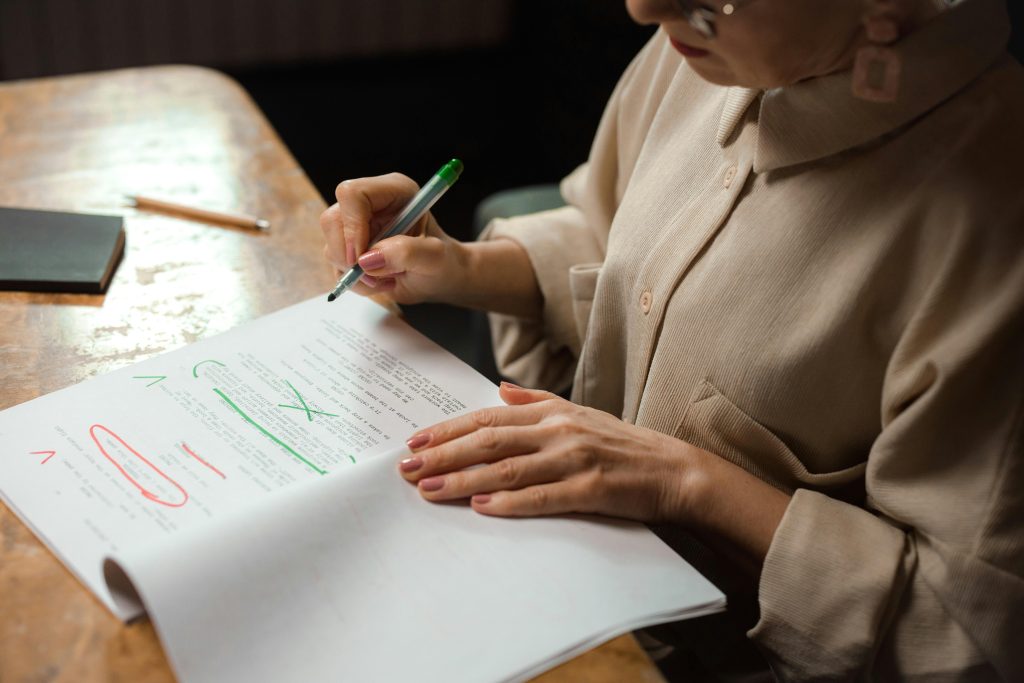
How Copy Editors Adjust Their Work to Different Genres
Every book on the market today has been through the copy editing process. Even the best writers need a second set of eyes (or more) to make their work reach its potential. No draft will be perfect; even after publication, authors may find changes they wish they could make. From minor to structural changes, copy editing is an integral part of the writing process.
During the editing process, there are two broad types of editing. General editing looks at the bigger picture of the work. The changes suggested by these editors are often structural or otherwise about the content of writing.
Copy editors, on the other hand, are more focused on the technicalities of the writing. Instead of looking at what the text says, copy editors look at how it says it. The work of a copy editor is supposed to go unnoticed. Readers are more likely to notice bad writing with typos, errors, and other mistakes. These editors have to be thorough and apply rules consistently, otherwise the book will come across as sloppy.
Even deeper within the role of a copy editor, there are more specific components depending on genre. Copy editing fiction and non-fiction books are the same at a base level, but there are some differences. These divergences are small but notable and can make a substantial difference in the quality of the edit.
Copy editors work with authors to create the best version of the book possible. When breaking down the copy editor’s role between genres, there are certain factors a copy editor will consider.
The Book’s Tone and Themes
A book’s genre dictates everything about it. From the tone, themes, and beyond, a book’s genre guides the audience, marketing, and even how it is edited. A copy editor’s work directly contributes to a book’s success, whether fiction or non-fiction.
Non-fiction books are, by definition, true stories or otherwise factual texts. These are often written to inform, educate, or motivate readers on the given subject. There are always exceptions, since books can be genre-bending, but these books are often more serious. As such, a copy editor should be cognizant of the intended tone of the piece. More important or serious works should be edited with respect to the material at hand.
Fiction books can cover any subject imaginable. From romance to fantasy to teenage coming of age and beyond, there are fiction books for everything. As such, a copy editor should always be considerant of the genre and its intended audience. They should always work to make the text as tonally and thematically coherent as possible. These books are usually written to entertain the audience, and nothing should get in the way of that.
The Story’s Characters and Dialogue
Another significant distinction between fiction and non-fiction books are the characters. Non-fiction books feature characters like a fiction book, but these “characters” are often real people. A character is just a person or entity in a text, regardless of genre.
Copy editors working on a non-fiction text should always remain aware of these characters’ roles in the story. Since they are often real people, copy editors have less leeway with suggesting significant edits. For example, if a book is directly quoting somebody, there is not much room to change that. A copy editor in this case should make sure the material, as the author presents it, is presented without error.
Fiction books, however, have characters who are crafted in the writing process. This includes the editing process. While copy editors are not responsible for changing thematic elements of the story, they can support the process. Unless the author has specified otherwise, copy editors can clean up dialogue and interactions for clarity and readability. This is not meant to change the meaning of the text, just reinforce it.
Fiction and Non-Fiction Overlap
At the end of the day, all books are copy edited under similar standards across the industry. Whether you write a fiction or non-fiction book (or a combination or something that defies genre), editing works the same.
The basics of copy editing do not change much. Grammar, punctuation, capitalization, format, etc. are always thoroughly reviewed for publication. There are times when an author deliberately, stylistically deviates from proper grammar, and that is fine. The copy editor just needs to be informed of intentional choices. As long as the work is consistent throughout, the copy editor did their job. This consistency leads to readability and greater reader satisfaction. If a reader cannot read your work easily, they will get lost and not recommend it to others.
When you work with Cloverly Christian to publish your book, we have a team of copy editors ready to go. Our book editing services ensure that your book meets the highest publication standards to create a final product that you can be proud of for years to come. Using the Chicago Manual of Style, our professional copy editors thoroughly review every word of your book. No artificial intelligence is used to edit your book.
AI Is Bad for Creativity
Minimizing the Role of Artificial Intelligence in Creative Projects
If you scroll through any social media website, you will likely come across material produced by artificial intelligence (AI). AI use has risen in recent years as technology has advanced, and its use has raised serious concerns.
There are different forms of AI. People use AI for all sorts of things, both in their personal life and at work. Some AI is helpful and increases productivity in a person’s industry. Other AI, however, replaces human creativity and hurts the writing and publishing industries.
While AI has its practical uses, extreme caution should be taken to make sure it does not replace human creativity. In the publishing industry, some publishers use and encourage AI use. This should be discouraged to the greatest extent possible.
The Types of AI
The types of AI available to the public are in two general groups: generative and non-generative. These two forms have crucial differences that change its acceptable uses and purposes. All AI relies on the users to write prompts to produce the desired product. There are nuances within these categories, but these are the basic categories.
Non-generative AI is traditional AI that uses computer programming to analyze already-existing information. Nothing new is created with general AI. This is especially helpful in industries with a lot of data or dense information that needs to be sorted. This was the first type of artificial intelligence that has steadily grown over time.
Generative AI is the form of artificial intelligence that creates new material. Whether text, images, videos, or anything else a computer can create, generative AI produces new content. Before generative AI, this all has to be created by the human mind. Now, anyone can enter a prompt to produce anything. However, this lacks the creative touch that a human would provide.
Computer Programs Cannot Replace Human Creativity
Human creativity is at the core of all media. Your favorite movies, books, theater, podcasts, and even clothes were planned, created, and produced by real humans. Countless hours were spent perfecting all of these, making it as close to the creator’s vision as possible. AI would certainly produce content with less of a human spark than anything else. Sometimes, even flaws or shortcomings are endearing and showcase humanity.
When you use generative AI to create text for publication, are you actually the author of the book? You are the one with the idea and who created the AI prompt, so it is your product. However, your creative role was at the barest minimum. Often, authors develop their creativity through practicing their art. You may think you want to write one thing before shifting as you write. With AI, there is no room for evolving creativity. What you enter in the prompt is what the computer program produces.
While generative AI use is up to personal discretion, some consumers do not appreciate it. AI content is not always immediately recognizable, but sometimes it is. Some people find obviously AI-produced content offputting and immediately recognizable. This can also be called “AI slop,” which refers to ugly, artistic-less content created by AI. AI has become more refined over the years, but it rarely can completely be disguised as human produced. It can even produce content that is confusing, misleading, not visually appealing, or flat-out wrong. You can only guarantee something has your individual human touch when you are in complete control of the final product.
The Minimal Role of AI in Publishing and Writing
Generative AI should rarely, if ever, be used in writing or publishing. If you decide to use AI in writing, try to limit it to basic guidance or outlines. It should not replace your actual writing. Always review anything you get from AI generators because it is not perfect.
Publishers are responsible to lead the charge and promote human-created content. Publishers must control and keep an eye on all AI use in their books. No publisher wants to be known to release subpar “AI slop.” Generative AI needs extreme scrutiny, but non-generative AI also needs to be monitored. It can be useful for basic copy editing, but it should never be the only source of editing.
Cloverly Christian highlights human creativity from the very start of the publishing process. You are responsible for writing your book, but once you submit it, we make sure people lead the charge. Your manuscript will be read, approved, and edited by a human. Your cover art and illustrations will be created by hand. Even our marketing materials will be guided by a human touch.
No part of your book is finalized without your approval. Cloverly Christian will make sure your book is the book you have always imagined.
Criticism As a Good Thing
Using Criticism to Improve Your Writing
When you set out to write a book, you typically have a clear path of what you want to write. When you finish writing, whether a first draft or published book, you will rightfully be proud of your work. That is the most important thing, but sometimes, others do not see your book as you intended.
Whether it’s a misinterpretation of your themes, dislike of the genre, or any other discontent, you will receive criticism. It is a matter of when, not if. As an author, you should be prepared to embrace any criticism you receive and never let it deter you. If you are open, the criticism you receive can help all aspects of your writing and understanding of literature.
Listening to Friends and Family
Your friends and family should be the most trusted people in your life. Getting their feedback on any of your creative endeavors is crucial. Embrace their feedback the most, even their more negative thoughts. If they are truly dependable people in your life, you should always make them feel like they can express themselves.
The feedback you receive from those close to you will be some of the most valuable across your writing journey. Their honesty will be the most reliable criticism you will receive. While your writing will always belong to you, knowing how others close to you see it opens your eyes. No matter what, you will always have final say on your writing.
Accepting criticism is a skill that can be trained. Those who are unable to accept criticism can learn to embrace feedback. Listening when someone close to you is comfortable enough to give you honest feedback is a great thing. It shows stability and confidence in your own abilities.
Seeing Your Writing in a New Light
Nobody knows your writing better than you. After all the time you spend planning, writing, and editing your work, it becomes like second nature to you. You may think there is nothing left for you to learn from your book, but that is not necessarily true.
Hearing negative feedback can make you reevaluate your own choices. It can allow you to go back into your work with a different perspective. Looking for what others took away from your writing is crucial to fully understanding your book. You may learn that what you wanted to convey did not effectively end up on the page.
Finessing Your Writing
While your writing will always come down to your personal preference, you can use feedback to tweak it. For works still in the drafting or editing phases, you can directly edit your current manuscript. These suggestions are just that, suggestions, but they can show you what parts of your book might be unclear.
For already-published works, the benefits of embracing criticism are slightly different (unless you are publishing a new edition). Instead of editing that specific piece of work, you can adjust aspects of your writing style for future writing. Always be true to yourself, but do not be afraid of shifting to better reflect your intentions. These changes can even be applied between genres and types of writing. You always want to write so that your readers understand your book and its message.
Understanding the Writing Process
The process of writing and publishing a book is not easy. It takes courage, confidence, and perseverance to cross the finish line. That makes it understandably difficult to receive any form of criticism. But at the end of the day, it makes you a more well-rounded writer. Getting a big-picture view of all aspects of the industry puts the criticism you receive into perspective. It also can increase the respect you have for other authors and gauge your future criticism.
Ultimately, just because someone criticized your work does not mean you are a bad writer. Art is subjective. No two people will have the same opinions on everything. Do not let someone’s opinion of your work devalue your confidence as an author. Always write in ways that preserve your artistic integrity.